

Three approaches to flint on one property
This Flint & Form project needed three treatments of flint on one building: matching an existing internal wall, restoring the historic external elevations, and creating crisp new flintwork for a contemporary extension.
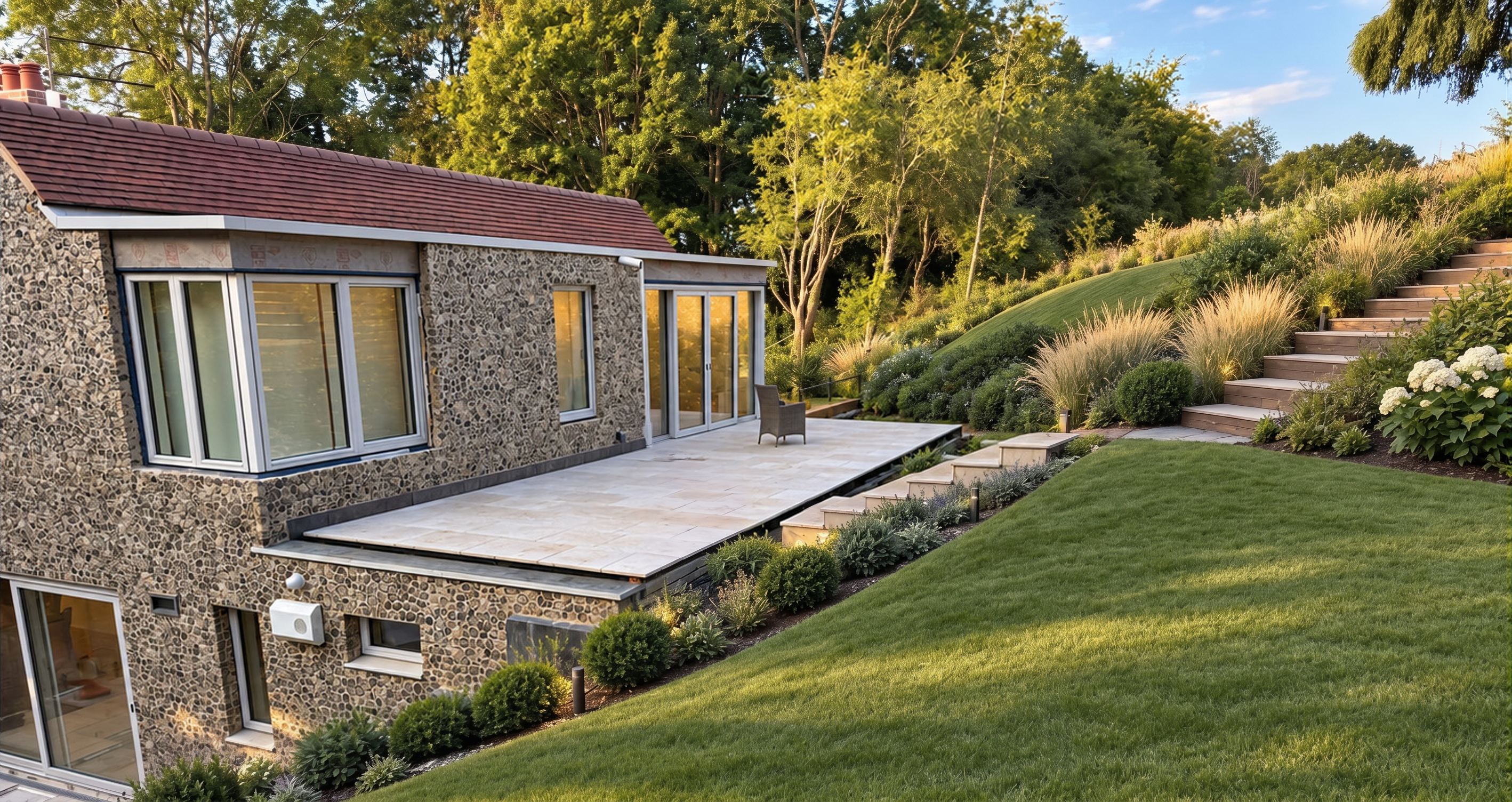
Rather than forcing one style throughout, each part of the building was approached according to its age, construction and character.
Matching existing flintwork
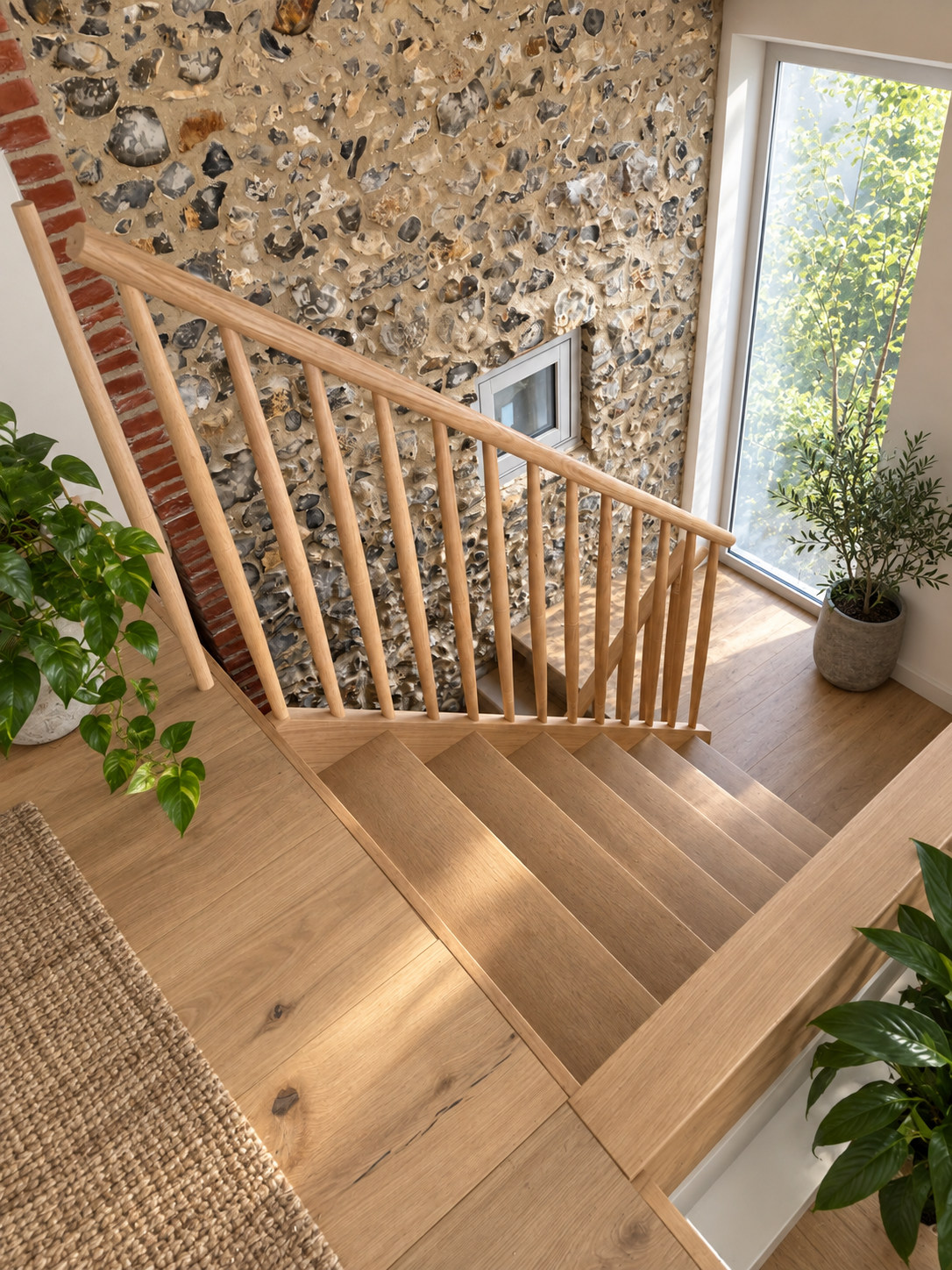
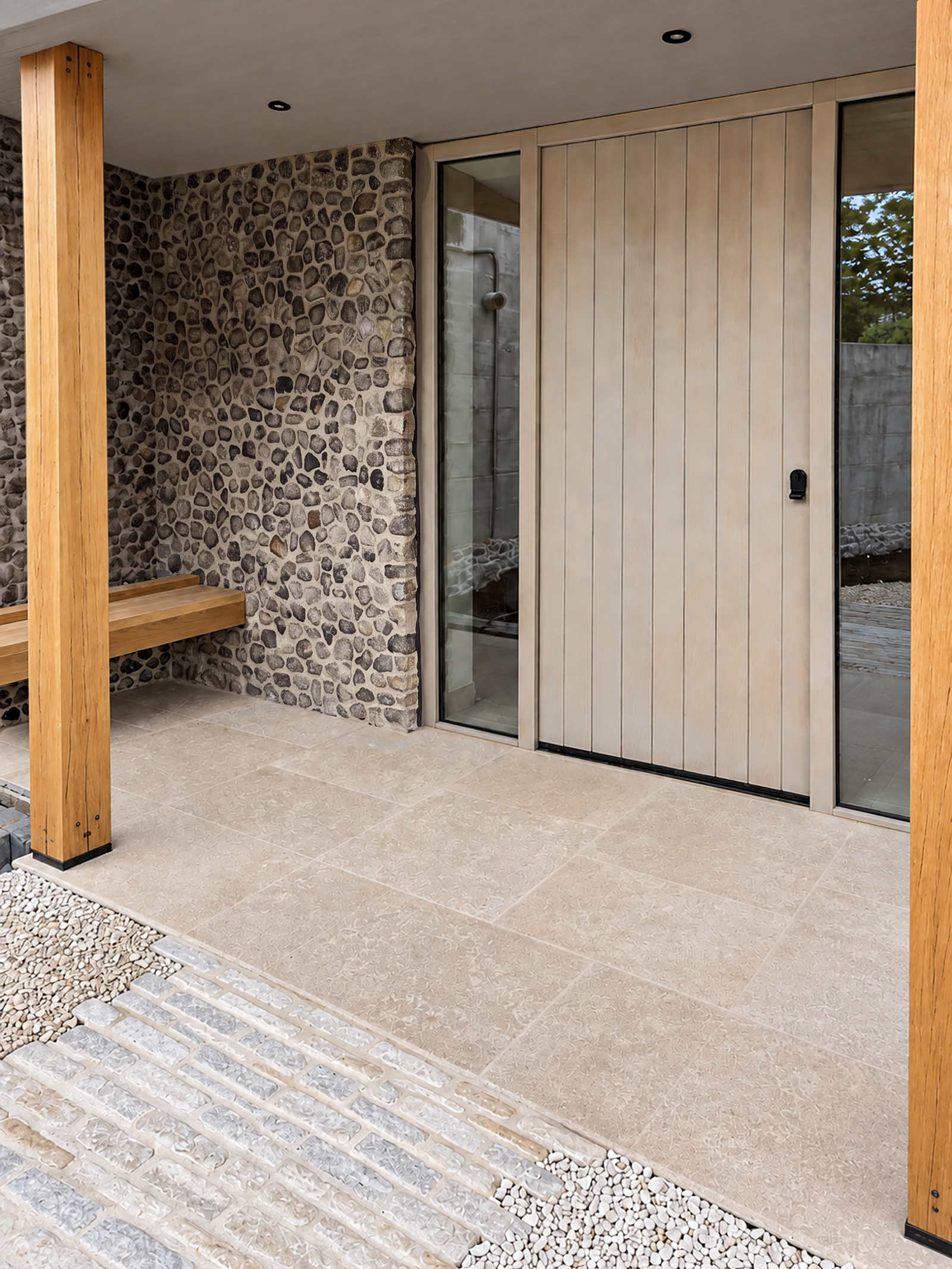
Inside the property, the extension met an existing flint wall that needed to continue into the new space.
Flint was selected and laid to reflect the character of the original wall, so the new section would blend with the existing fabric rather than announce itself as an addition.
The work depended on reading the original wall — its stones, jointing and overall feel — and recreating that character in the new length.
Restoring the original external flintwork
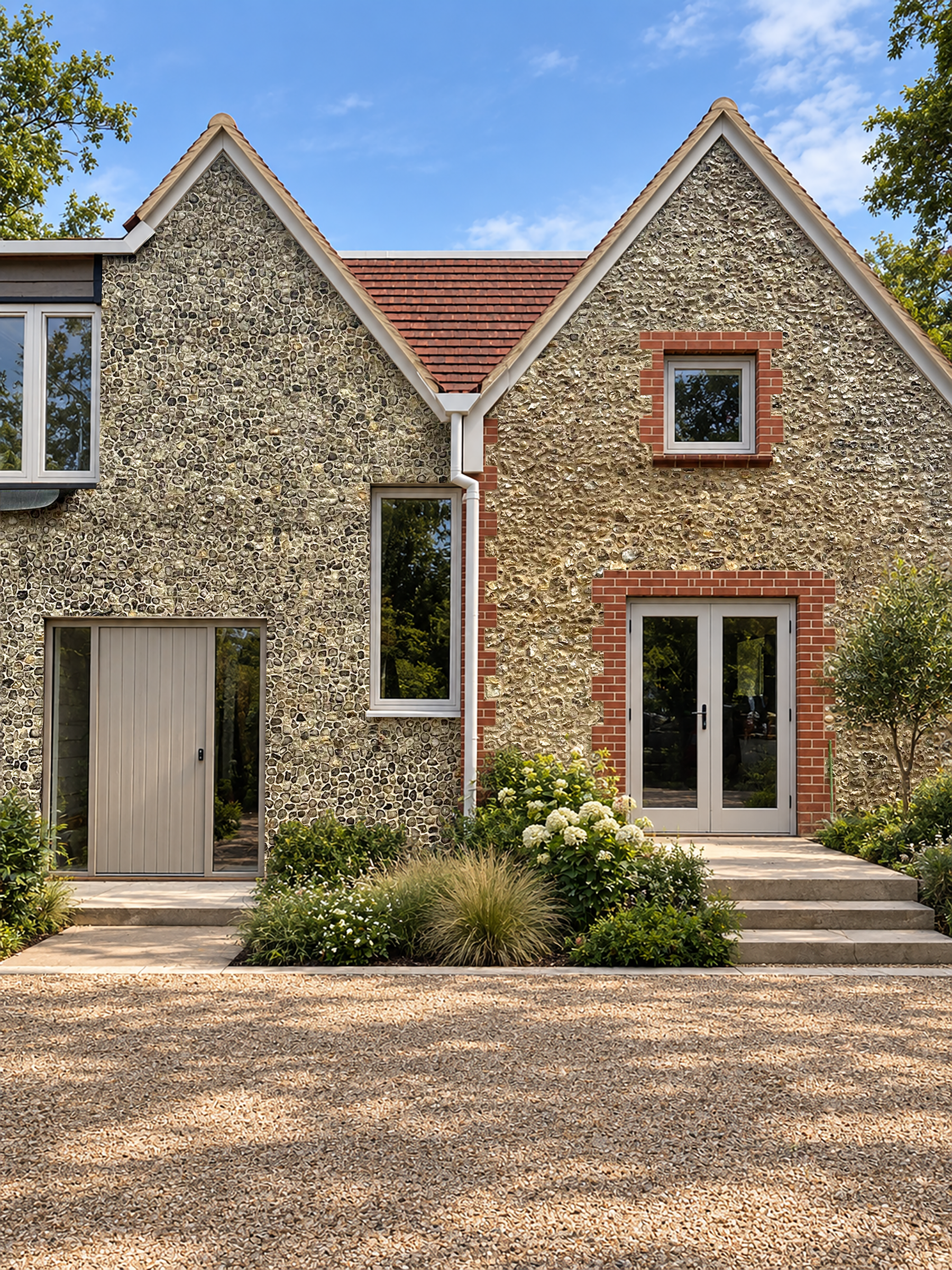
The existing external flint walls were in poor condition. Dirt and organic matter had built up on the face, and earlier pointing had been carried out in sand-and-cement.
That cement pointing was carefully removed. The walls were washed down, then repointed using a coloured EcoRight lime mortar chosen to suit the masonry.
The intention was not to make an old wall look new. It was to restore clarity and consistency while keeping the age and texture of the original flint: an aged but crisp finish.
A contemporary approach to new flintwork
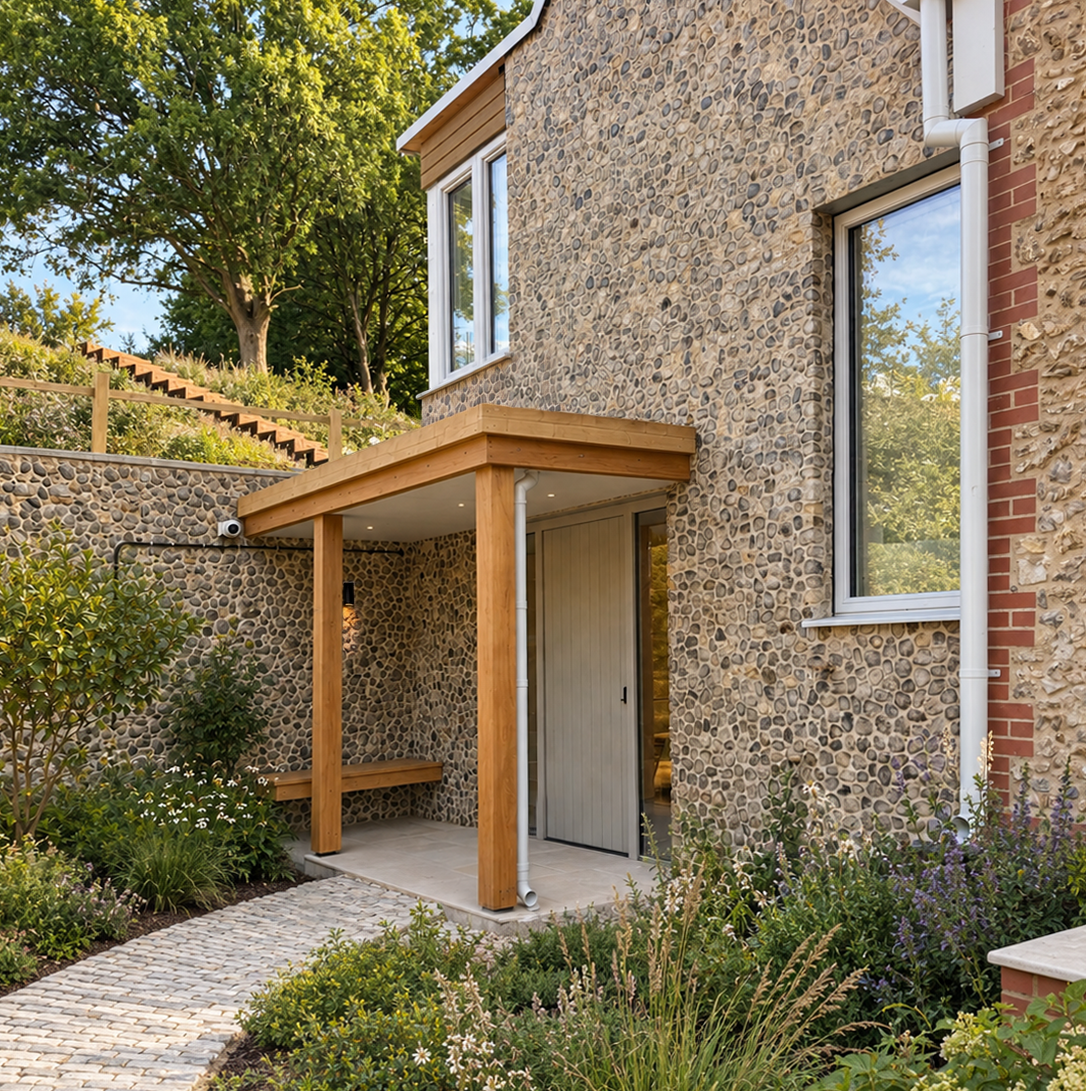
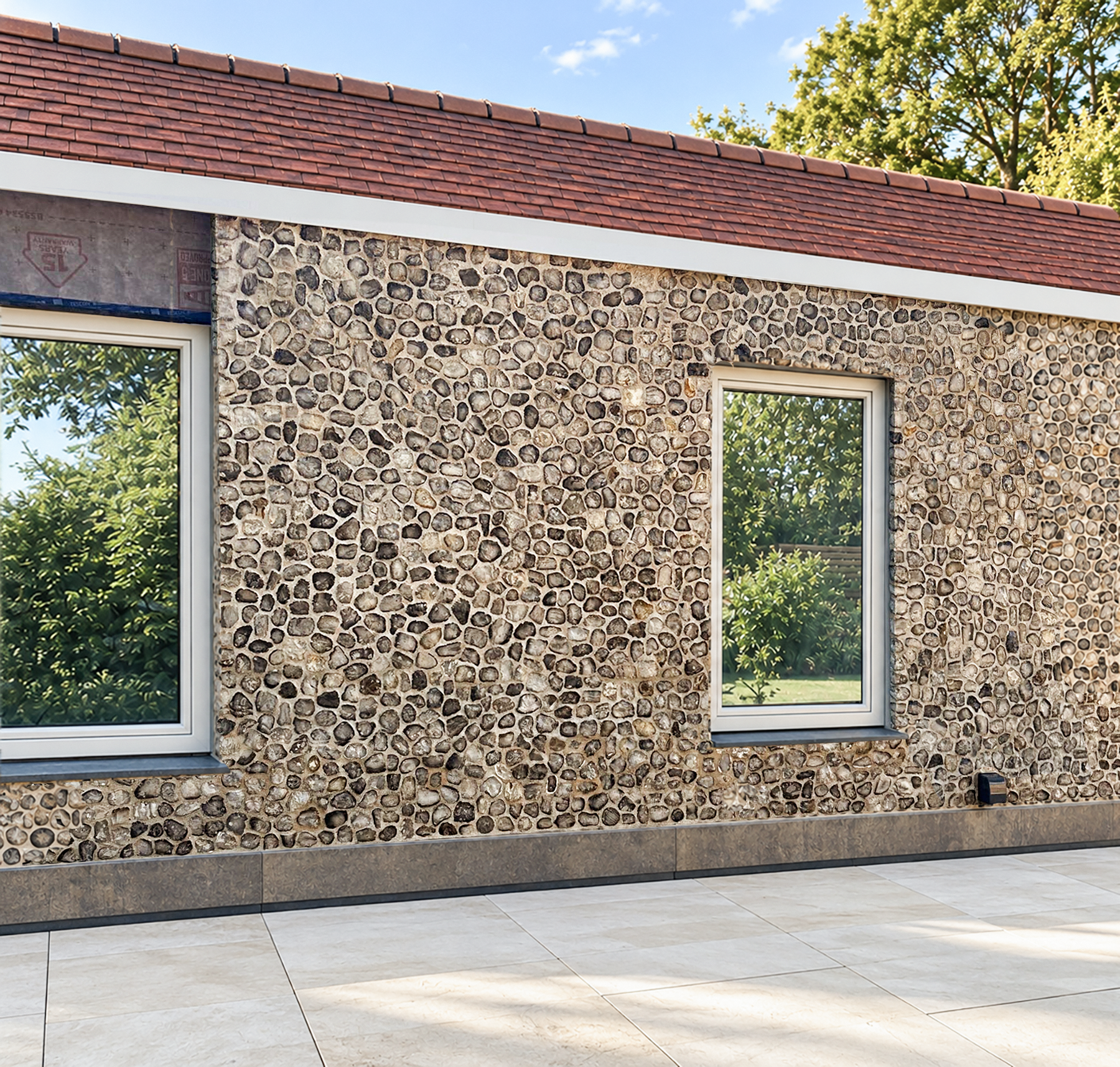
The new extension called for a more contemporary reading of flint.
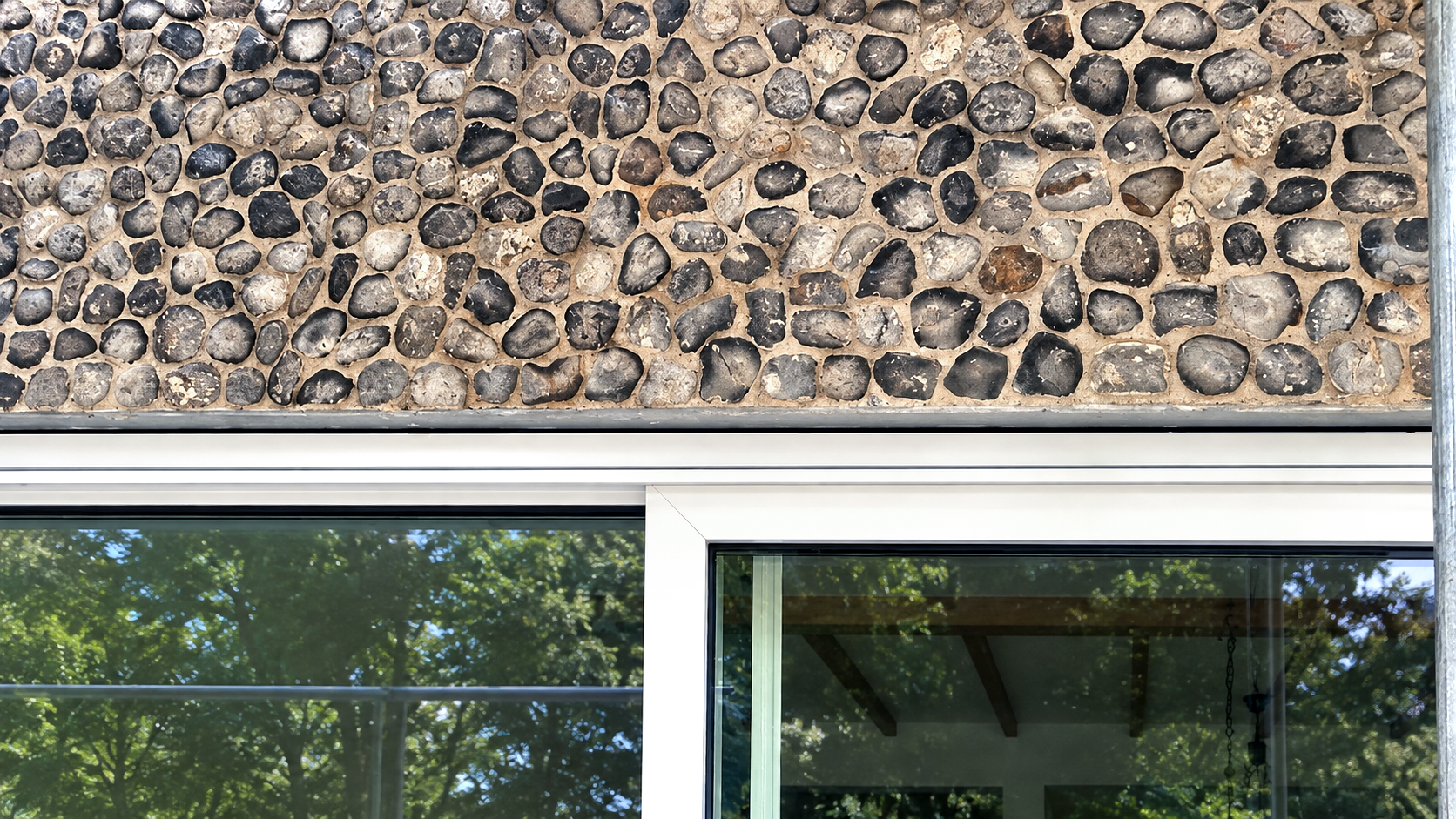
Selected 3–4 inch knapped sand-and-gravel flint was laid in EcoRight lime mortar with tight, controlled joints. Special corner flints were used at window openings and building edges, where the detailing is most visible.
Because the flint formed part of a modern cavity wall, SureCav trays were incorporated behind the work to help stop mortar falling into the cavity base and to support a clean, durable installation.
The same traditional material; a sharper architectural finish.
What this project shows
One property can need more than one kind of flintwork. Matching, restoration and contemporary laying are different skills, and the right choice depends on the building, not on a single house style.
Planning similar work?
Phone: [number] · Email: info@flintandform.co